
Why First Response Wins Sales Deals
Discover why the first company to respond often wins.
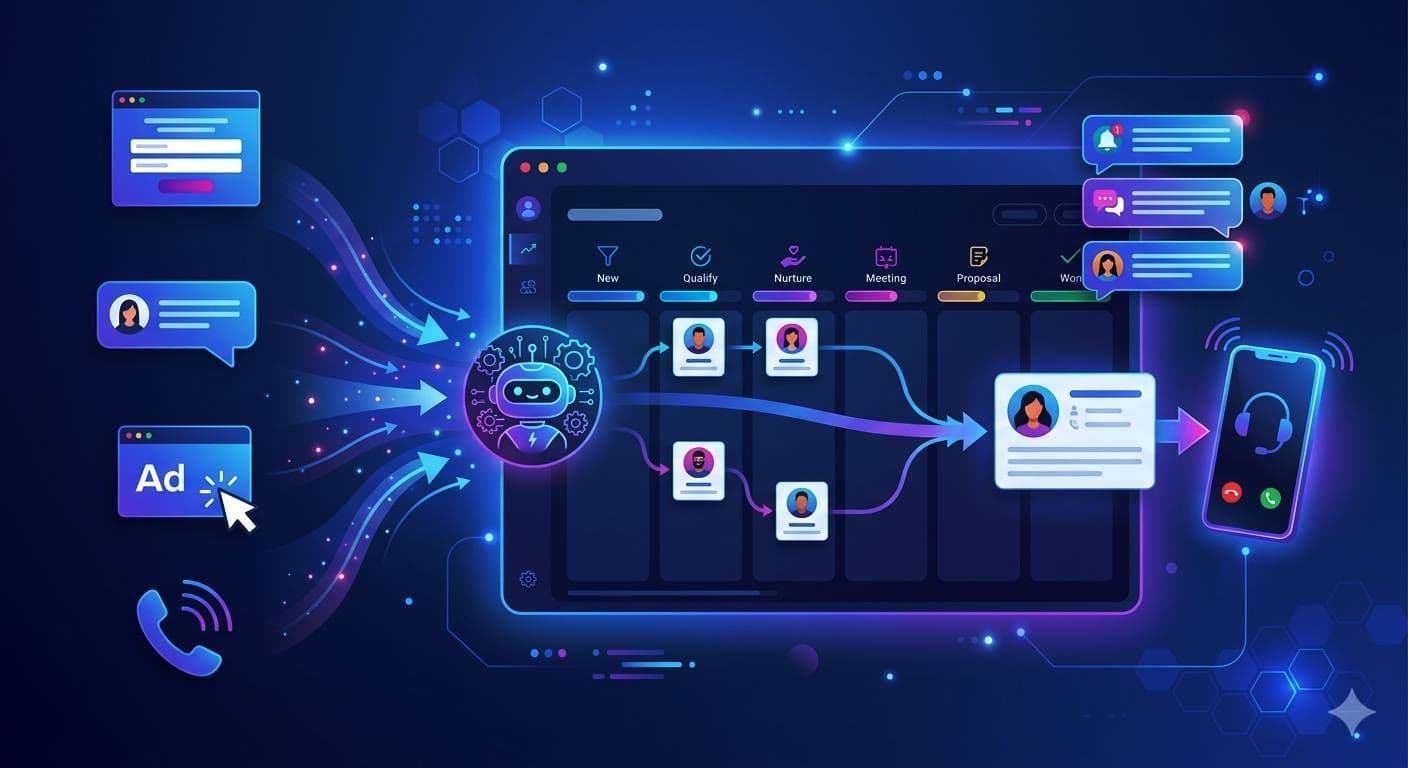
At 8:14 p.m., a regional HVAC company gets a quote request from a homeowner whose air conditioning just failed during a heat wave.
The homeowner is not browsing casually. They are standing in a hot house, phone in hand, submitting forms to three local providers in under four minutes.
Company A sends a generic confirmation email.
Company B does nothing until the next morning.
Company C calls in 40 seconds, confirms the ZIP code, asks a few qualifying questions, and offers two appointment windows for the next day.
By 8:17 p.m., the sale is not really “open” anymore.
It feels like a pricing contest, but it is actually a position contest. The first company to engage usually becomes the company the buyer compares everyone else against.
That is the core reason Why First Response Wins Sales Deals. In inbound sales, speed is not just about efficiency. It is about claiming the buying moment before someone else shapes it.
A useful way to frame this is simple: leads do not go cold, they get claimed.
If you want to understand why inbound leads go cold, start with first-mover advantage in lead engagement.
The real problem is not delay. It is losing the first conversation.
Most businesses describe this as a response-time issue.
That is technically true, but it misses the deeper mechanism.
The real problem is that the first serious interaction with a lead carries outsized influence. The first business to respond gets the first chance to:
- frame the conversation
- define what matters
- ask discovery questions
- reduce uncertainty
- propose the next step
- create momentum
Once that happens, every later seller is playing catch-up.
This is why first response matters so much. The buyer is not just looking for information. They are looking for orientation. They want someone to help them make sense of their problem, their options, and their next move.
The first company that does that earns an invisible advantage.
In many cases, the sale is not won because the first responder had the lowest price or best product. It is won because they became the default reference point early.
That is a very different idea from generic “fast follow-up.”
Fast follow-up is an action.
First response is a position.
Why First Response Wins Sales Deals in competitive inbound funnels
When a prospect submits an inbound form, there is usually a short competitive window where multiple vendors are still viable.
That window closes faster than most teams think.
Consider a B2B software buyer who requests a demo from four vendors during a research session. They are comparing categories, features, and fit. They are also trying to reduce cognitive load. The first vendor to respond with clarity often simplifies the decision for them.
Not because the evaluation is over.
Because the evaluation now has a leader.
The first responder gets to set the buying narrative:
- What problem should the prospect prioritize?
- What implementation concerns should they think about?
- What timeline is realistic?
- What success metric matters most?
Whoever answers those questions first influences how the buyer interprets every later conversation.
This is the first-mover advantage in lead engagement.
It works because buyers rarely restart from a neutral position after an initial conversation. They anchor on the first useful interaction they have.
That is why a rep calling 20 minutes later is not just 20 minutes late. They are entering a conversation that may already have structure, trust, and direction.
For a deeper look at the competitive value of fast engagement, FusionSync’s article on the speed-to-lead advantage in modern sales expands on how this edge shows up across sales teams.
The mechanism: first response creates buyer anchoring
The biggest reason the first company often wins is psychological, not just operational.
The first meaningful response creates anchoring.
Anchoring happens when the first piece of useful input shapes how later options are judged. In inbound sales, that anchor can be:
- the first price range mentioned
- the first diagnosis of the problem
- the first timeline offered
- the first explanation of what to expect
- the first appointment booked
Once a buyer hears, “Here is likely what is going on, here is what happens next, and here is a time we can talk,” uncertainty drops.
And when uncertainty drops, urgency becomes directed.
That matters because buyers do not just want speed. They want relief from ambiguity.
The first responder provides that relief.
This is why first response beats later, even better-crafted outreach so often. A beautifully written email that arrives after someone else already created certainty is usually too late.
In other words, speed is not operational, it is positional.
That is the memorable takeaway sales leaders miss.
The first response does not simply start the sales process. It defines the lane the sales process will run in.
What happens to revenue when you lose first-mover advantage
When your team misses the first engagement window, the damage shows up far beyond one missed callback.
It affects the entire funnel.
First, contact rates fall.
A lead who has already spoken with another vendor is less likely to answer an unknown call or reply to a generic email. They may feel they have “already started” with someone.
Second, meeting rates drop.
If a competitor already offered a calendar slot, your later outreach has to overcome inertia. You are not asking for a meeting in a fresh buying moment. You are asking the buyer to reconsider an emerging commitment.
Third, sales cycles get weaker.
Late responders often end up in reactive conversations. Instead of leading discovery, they answer isolated questions and provide quotes into an already framed process.
Fourth, CAC becomes less efficient.
Marketing still paid to generate the lead. But the business that captured the lead’s attention first extracted the value.
This is especially painful for paid channels. If you are buying high-intent traffic from search or lead ads, first response is part of conversion, not a separate operational step. FusionSync covers that well in its post on why paid leads require faster response.
The practical takeaway is blunt: if you do not own the first conversation, you often do not own the deal dynamics.
A pattern most teams underestimate: buyers reward momentum
There is another reason first responders win.
Buyers tend to continue with whoever makes progress easiest.
This is not loyalty. It is momentum.
If one company responds immediately, asks smart questions, and offers a next step, the buyer experiences forward motion. That motion has value.
Starting over with another vendor feels like friction.
They have to repeat themselves.
They have to restate the problem.
They have to compare more options.
They have to spend more time.
So even when later vendors are credible, the buyer often stays with the first one that converted intent into action.
This is why the first response has disproportionate power in industries where urgency is emotional or practical:
- home services
- legal intake
- healthcare inquiries
- insurance quotes
- real estate
- SaaS demo requests
In all of these categories, the first engagement reduces effort. And reduced effort often beats marginally better positioning.
That is also why businesses that respond first tend to see stronger appointment outcomes. Related reading on how lead response time affects appointment booking shows how early engagement increases the odds of actually getting time on the calendar.
Why human teams struggle to win the first response consistently
Most teams do not lose the first response because they do not care.
They lose because human availability is intermittent while buyer intent is continuous.
Inbound leads arrive:
- after hours
- during meetings
- while reps are on calls
- during shift changes
- in bursts from campaigns
The result is inconsistent first contact.
And first-mover advantage is unforgiving. You do not have to be slow all day to lose deals. You only have to be second at the wrong moments.
This is where many companies misunderstand the problem.
They think, “Our reps usually follow up pretty fast.”
Usually is not enough when the buying window is measured in minutes.
A team can be talented, disciplined, and still structurally unable to secure first position on every inbound lead.
That is why fixing this issue is less about coaching hustle and more about designing a system that captures the first touch every time.
How to protect first-mover advantage
If the goal is to win the first conversation, the solution should be built around that exact outcome.
Here are the most effective ways to do it.
1. Treat first contact as a competitive event
Do not think of response as administrative follow-up.
Treat it as the moment the market decides who gets control.
That changes how teams prioritize inbound leads. It also changes SLAs, routing, and accountability.
2. Use instant acknowledgment plus immediate outreach
An automated confirmation email alone does not secure first-mover advantage.
It may confirm receipt, but it does not create engagement.
The real goal is an immediate two-way interaction through a call, SMS, or live conversational workflow.
3. Reduce the gap between inquiry and qualification
The first responder should not merely say, “We got your form.”
They should move the buyer forward.
That means asking a few targeted questions, identifying fit, and offering a next step while intent is still high.
4. Prioritize booking over browsing
The strongest first-response systems do not stop at contact. They convert contact into commitment.
If the first interaction ends with a booked appointment, the first-mover advantage becomes much harder for competitors to disrupt.
How automation and AI solve this exact problem
This is where automation becomes more than convenience.
It becomes market position protection.
AI-powered lead response systems help businesses secure the first interaction before the opportunity drifts to another vendor. They can:
- respond within seconds of form submission
- call or text the lead immediately
- ask qualifying questions
- route based on territory or availability
- book meetings on the spot
- trigger follow-up if the lead does not answer
The key benefit is consistency.
A human team cannot guarantee first response at all times.
A well-designed automated system can.
That does not replace your sales team. It protects your sales team from entering late.
It ensures reps start conversations from a position of momentum instead of recovery.
This is especially powerful when AI handles the critical first seconds, then hands qualified, context-rich leads to a human rep. The buyer feels immediate attention. The sales team gets a live opportunity instead of a stale notification.
That is the real operational value of AI in inbound sales. It secures first-mover advantage at scale.
Key takeaways
- The first response often wins because it claims the buyer’s attention before anyone else shapes the decision.
- The real advantage is not just speed. It is control of the first meaningful conversation.
- First responders create anchoring, reduce uncertainty, and build momentum.
- Later vendors usually face a framed, biased buying process rather than a neutral one.
- Revenue loss from delayed response is really value transfer to faster competitors.
- Automation and AI solve this by making first engagement immediate and consistent.
FAQ
1. Why does the first company to respond have such an advantage?
Because the first useful interaction often sets the context for the buying decision. The first responder reduces uncertainty, asks discovery questions, and creates momentum. After that, other vendors are often being evaluated against an anchor that is already in place.
2. Is first response more important than price or product?
Not always, but it is often more important than teams expect. In many inbound sales situations, the company that responds first earns the chance to frame value before price becomes the main issue. That early position can outweigh smaller differences in product or cost.
3. How can a business consistently respond first to inbound leads?
The most reliable method is to automate the first touch. That includes instant outreach by call, SMS, or AI assistant, plus fast qualification and appointment booking. Human teams can then take over with context instead of starting late.
Next step
Want to fix slow lead response?
See how FusionSync responds in seconds, qualifies inbound leads, and moves them toward a booked next step automatically.
Where it works
View all use cases