
Why Landing Page Leads Go Cold Quickly
Discover why landing page leads lose interest quickly.
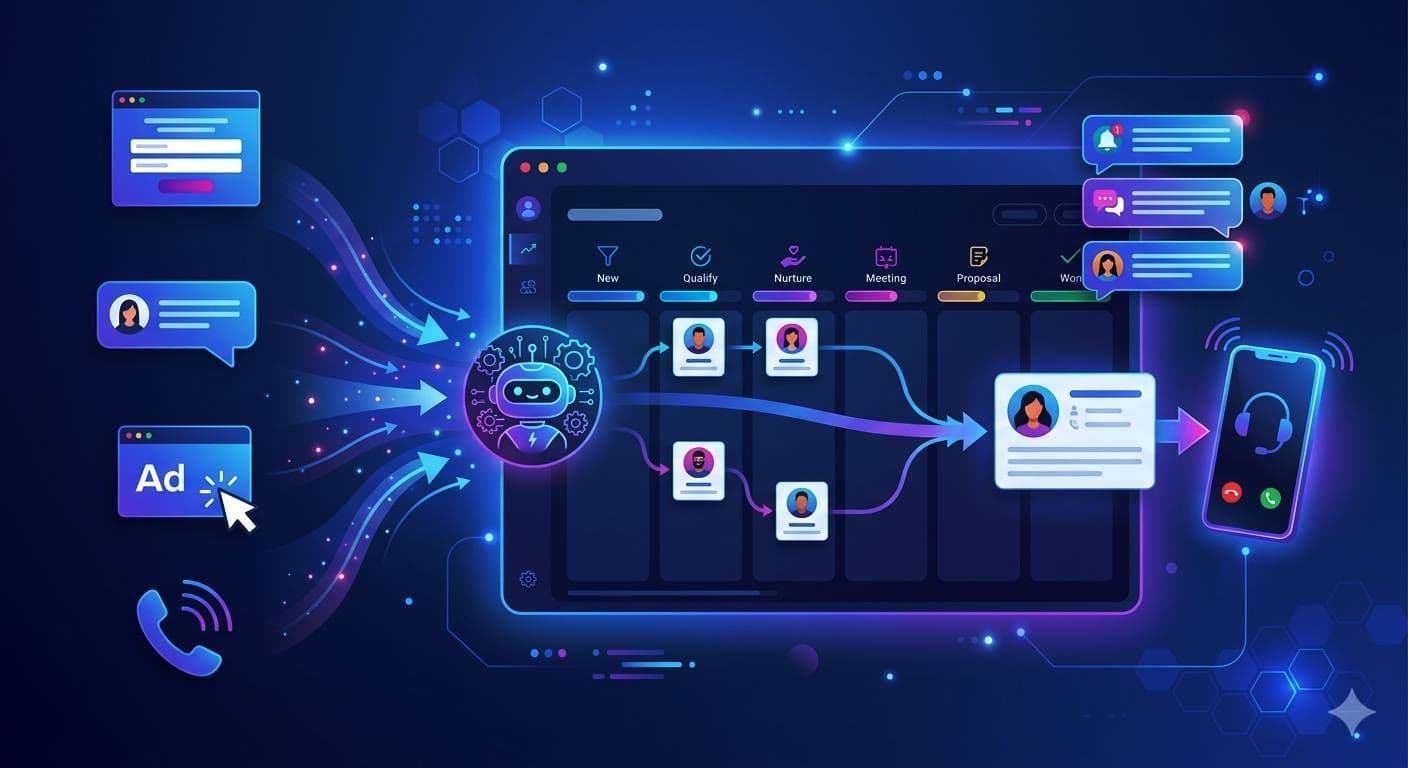
A SaaS buyer clicks a paid search ad at 2:17 PM.
They land on a focused page offering a demo for a workflow tool. The page is clean. The message is clear. The form is short. They fill it out while the problem is fresh in their mind, hit submit, and expect to hear back soon.
Then nothing happens.
No call. No text. No human follow-up. Maybe an automated “thanks for your interest” email lands in their inbox, but it does not answer anything, schedule anything, or move the conversation forward.
By 3:05 PM, the buyer is back in meetings.
By 5:40 PM, they barely remember which company was which.
The next morning, the urgency that pushed them to convert is gone.
That is the core answer to Why Landing Page Leads Go Cold Quickly.
It is not usually because the page was bad.
It is not because the offer was weak.
It is not even because the lead was low quality.
The real issue is the delay between form submission and actual response.
Landing page intent is highly perishable. The moment someone converts is the moment their attention is most available. If the business does not respond inside that window, the lead does not just “cool off” in a vague sense. The buying energy that existed at submission starts decaying almost immediately.
That is the hidden leak in many inbound funnels.
Why Landing Page Leads Go Cold Quickly: The Delay Starts the Drop-Off
Landing page leads are different from passive website visitors.
They arrived through a focused campaign, a targeted offer, or a specific search. In many cases, they came from paid traffic, which means the click was bought at a premium and the page was designed to capture immediate intent.
When that person submits a form, they are raising their hand in a narrow time window.
What happens next determines whether that click turns into a conversation.
If the response is delayed, a few predictable things happen.
First, the lead exits decision mode. They stop actively comparing solutions and return to the rest of their day.
Second, the emotional context disappears. The pain point that felt urgent enough to trigger a form fill becomes less vivid once they are no longer looking at the page.
Third, your brand loses continuity. The landing page created momentum, but silence breaks it.
This is the mechanism most teams underestimate.
A landing page does not create demand and store it for later. It captures a temporary spike of attention. If response does not happen quickly, that spike collapses.
A useful way to think about it is this:
Landing page leads do not go cold because time passes. They go cold because momentum gets interrupted.
That interruption is the gap between submission and response.
The Problem Is Not the Form Submission. It Is the Dead Air After It
Many teams treat a completed form as if the hard part is done.
Marketing reports a conversion.
The CRM logs a new lead.
A notification gets sent.
Someone plans to follow up.
But from the buyer’s perspective, none of that matters.
They only experience one thing: silence.
That silence creates friction right when the experience should feel smoothest.
The prospect just took action. They expected the next step to happen naturally. Instead, the process stalls. Even a short delay can make the experience feel disjointed.
This is especially true for landing pages because they are built around immediacy. The copy is direct. The CTA is direct. The promise is direct. The visitor is not browsing casually. They are responding to a present need.
So when the follow-up is delayed, the business unintentionally sends the opposite message.
The page said, “We can help now.”
The response delay says, “We will get to you later.”
That mismatch weakens trust.
This is also why businesses that improve response speed often see better outcomes without changing traffic, creative, or conversion rate on the page itself. The problem was never only lead generation. It was the dead zone after conversion.
If your team is benchmarking how quickly first outreach should happen, this guide on what a good sales response window looks like gives helpful context.
Why the Submission-to-Response Gap Is So Damaging
A delayed response hurts landing page leads because intent fades fastest right after action.
That sounds obvious, but the mechanics are worth unpacking.
When someone fills out a landing page form, they are doing at least three things at once:
- acknowledging a problem
- evaluating whether your solution fits
- giving you permission to continue the conversation
Those conditions do not stay equally strong for very long.
The lead’s attention is anchored to the page for a brief period after submission. During that period, they still remember the ad, the headline, the offer, and the reason they converted.
That is the easiest moment to start a real conversation.
But if your first actual response lands an hour later, or later that day, or the next morning, you are no longer meeting the lead inside the same mental context.
Now they have to reconstruct it.
They have to remember what they were looking for.
They have to recall why they submitted.
They have to switch back into buying mode.
That is more work.
And conversion tends to drop whenever the buyer has to do extra cognitive work just to re-enter the conversation.
This is why lead response time for landing page leads matters so much. The issue is not abstract speed. It is the practical cost of forcing the prospect to reconnect with a moment that has already passed.
The Revenue Impact Is Bigger Than Most Teams Realize
A delayed first response does more than lower contact rates.
It reduces the value of the entire landing page program.
Think about a company spending heavily on paid campaigns to drive form fills to service-specific landing pages.
On paper, marketing is doing its job.
The pages convert.
Cost per lead looks reasonable.
Lead volume is steady.
But if those leads sit untouched for 45 minutes, 2 hours, or until the next rep is free, a large share of campaign value disappears after the conversion event.
This is what makes the problem expensive.
The business paid to create a moment of intent, then failed to act while that intent was still alive.
In other words, the waste is not just media spend.
It is captured demand left to expire.
That has downstream effects everywhere:
- fewer real conversations from the same number of form fills
- lower appointment booking rates
- weaker return on ad spend
- thinner pipeline from otherwise strong campaigns
- more pressure on marketing to generate even more leads
This creates a common but misleading diagnosis. Teams assume they need better traffic or better pages, when the real issue is that the handoff after submission is too slow.
A sharp way to frame it is this:
Most landing page funnels do not have a conversion problem. They have a post-conversion timing problem.
Buyer Behavior Makes the Delay Even More Dangerous
Landing page leads are often captured in moments of interruption.
Someone is between meetings.
Someone is on their phone.
Someone is researching during a short gap in the day.
Someone submits a form while comparing several tools, vendors, or providers in one session.
That means the window for live engagement is often measured in minutes, not days.
When businesses respond later, they are trying to restart a conversation after the buyer has mentally moved on.
This is one reason the broader discussion around why inbound leads go cold keeps returning to response timing. The lead was warm at the exact moment they converted. The question is whether your system can meet them there.
It is also why the often-cited 5-minute rule for new inquiries is so relevant. Fast follow-up is not just about being impressive. It is about preserving continuity between the click, the form fill, and the first conversation.
How to Fix the Delay Between Submission and Response
If the reason landing page leads go cold is the gap after form submission, the solution is not complicated in theory.
You have to remove the waiting period.
In practice, that means redesigning the first few minutes after a lead converts.
Here are the highest-leverage fixes.
1. Trigger an actual response, not just a receipt
A confirmation email is not enough.
The lead needs a real next step immediately after submitting the form. That could be a text, a call, an intelligent email, or a booking prompt that arrives in seconds.
The key is that the prospect feels active engagement, not administrative acknowledgment.
2. Treat first contact as part of the landing page experience
Most companies think of the page and the follow-up as separate systems.
They are not.
The response should feel like a direct continuation of the page promise. Same offer. Same context. Same urgency.
When the first outreach happens instantly, the funnel feels connected. When it happens later, it feels fragmented.
3. Remove manual dependency from minute one
If a new lead has to wait for a rep to notice a notification, finish another call, claim the lead, and decide what to do next, the delay is already built in.
Manual follow-up is too fragile for high-intent landing page traffic.
The first touch should happen automatically, with reps entering the process after engagement is already underway.
4. Design for the buyer’s immediate context
Right after form submission, the best outreach is simple and specific.
It should reference what they requested, ask one or two qualifying questions, and move naturally toward booking or connection.
This works because it meets the lead while they still remember why they filled out the form.
How Automation and AI Solve This Exact Problem
This is where automation becomes less of a convenience and more of an infrastructure requirement.
If the core issue is the delay between submission and response, then the best system is one that eliminates that delay entirely.
AI-powered lead response can do that in a way manual teams usually cannot.
The moment a landing page form is submitted, the system can:
- respond in seconds
- send a personalized SMS
- place an immediate call
- ask qualifying questions
- route the lead based on answers
- book an appointment automatically
- trigger follow-ups if the first attempt is missed
That matters because it preserves the lead’s original buying context.
Instead of asking the prospect to re-engage later, the system engages while intent is still fresh.
This is where FusionSync’s approach fits naturally. Instant response, AI calling, qualification, booking, and automated follow-up are not separate nice-to-haves. Together, they solve the exact gap that causes landing page leads to cool off in the first place.
The goal is not to replace sales.
It is to make sure sales never starts late.
Key Takeaways
- Landing page leads usually go cold because of the delay between submission and response
- The form fill captures a short burst of intent that fades quickly if no one acts on it
- Silence after conversion breaks momentum and weakens trust
- Delayed outreach forces buyers to reconstruct context, which lowers reply and booking rates
- Many teams think they have a traffic problem when they actually have a post-conversion timing problem
- Automation and AI are effective because they remove the waiting period entirely
FAQ
Why do landing page leads lose interest so fast?
Because the intent behind the submission is strongest in the moments right after the form is completed. If the business waits too long to respond, the prospect leaves that decision-making moment and the urgency fades.
Is an automated confirmation email enough?
Usually not. A receipt confirms submission, but it does not continue the conversation. What prevents leads from going cold is a real response that creates an immediate next step.
What is the best way to stop landing page leads from going cold?
Shorten the time between submission and first outreach to seconds or minutes, not hours. The most reliable way to do that is with automation or AI that can respond, qualify, and book instantly.
Conclusion
The clearest answer to Why Landing Page Leads Go Cold Quickly is simple: too much time passes between the moment a prospect submits the form and the moment your business actually responds.
That gap kills momentum.
It disconnects the follow-up from the original intent.
And it turns high-intent conversions into missed revenue.
If you want better performance from landing pages, start by fixing what happens after the submit button. Because the lead is not lost when they leave the page.
It is lost when the response comes too late.
Next step
Need a better follow-up system?
FusionSync keeps inbound leads moving with instant first response, qualification, and automated follow-up when the lead does not answer right away.
Where it works
View all use cases