
How Lead Response Time Affects Appointment Booking
Learn how response speed affects meeting bookings.
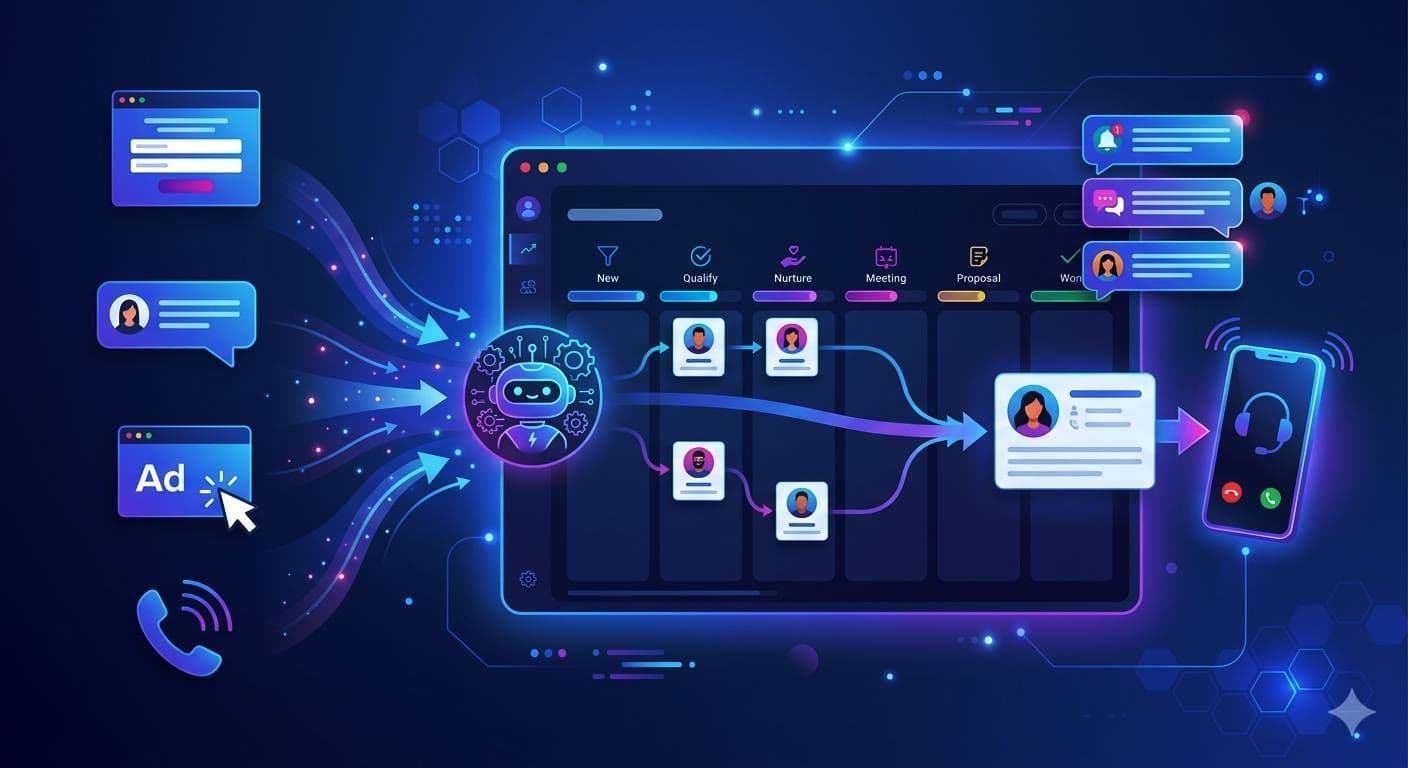
At 2:17 p.m., a prospect fills out a demo form for a B2B software company.
They are not casually browsing.
They just sat through a pricing page, compared two vendors, and finally clicked “Book a demo.”
At 2:18, they are still in buying mode.
At 2:24, they are back in Slack.
At 2:41, they are in another meeting.
By 4:00, that same demo request is no longer an active priority. It is just one more tab they meant to revisit.
This is the part many sales teams miss.
Most discussions about speed to lead focus on contact rates or qualification rates. But there is another outcome that matters just as much: appointment booking.
How Lead Response Time Affects Appointment Booking comes down to one simple fact. The willingness to commit to a meeting has a very short half-life. If your response happens while intent is still active, booking rates rise. If your response happens after that moment passes, the same lead becomes harder to schedule, even if they are still technically interested.
In other words, meetings are not booked because leads are good. Meetings are booked because intent is still alive when you ask for the calendar commitment.
That is the timing problem this article is about.
The real problem is not contact rate. It is calendar conversion.
A lot of teams think they are doing fine because they eventually reach the lead.
They send an email later that day.
They make a call the next morning.
They get a reply two days later.
On paper, that looks like follow-up.
But appointment booking is a different conversion event than simple contact. A lead replying “sure, send me more info” is not the same as a lead committing to a 30-minute meeting.
That commitment requires momentum.
The closer your response is to the original inquiry, the less friction there is between curiosity and action. The further away your response is, the more work the lead has to do mentally.
They have to remember why they reached out.
They have to reopen the evaluation process.
They have to decide that a meeting still deserves space on the calendar.
This is why timing has such a direct effect on meeting conversion rates.
A delayed response does not just reduce the chance of contact. It reduces the chance that the lead is still ready to book.
How Lead Response Time Affects Appointment Booking at the moment of intent
The key mechanism is simple: booking behavior is strongest at the exact moment the buyer feels urgency.
When someone submits a form, they are often at the highest point of commercial intent they will have all week.
They have already done enough research to raise their hand.
They are open to a conversation.
They are mentally prepared to take the next step.
That window is when meeting requests feel easy.
A fast response turns the next action into a continuation of what the buyer is already doing. A slow response turns it into a new task.
That difference matters more than most teams realize.
If the lead hears from you in one or two minutes, booking a meeting feels like progress.
If the lead hears from you three hours later, booking a meeting feels like resuming a decision they already paused.
If the lead hears from you the next day, the meeting request feels like an interruption.
Here is the sharp insight most companies miss:
Appointment booking is not a persuasion problem first. It is a timing problem first.
Sales teams often try to fix low booking rates with better scripts, sharper emails, or more training. Those things help. But if the outreach arrives after intent has cooled, even excellent messaging is trying to restart momentum that used to exist naturally.
Why a few minutes can change meeting conversion rates so dramatically
Not every delay looks dramatic inside the CRM.
A lead came in at 10:03.
A rep responded at 10:22.
That does not sound terrible.
But from the lead’s perspective, those 19 minutes may include switching tasks, joining a call, driving to another appointment, or simply losing the emotional urgency that pushed them to submit the form.
Meeting conversion rates drop with time because the buyer’s context changes quickly.
Early on, the lead is decision-ready.
Soon after, they are context-switched.
Later, they are calendar-defensive.
That last point is especially important.
People protect their calendars more than their inboxes. Replying to a message is easy. Booking a meeting is a commitment. Once the buyer has mentally moved on, your request now competes with everything else in their day.
This is why teams sometimes see decent reply rates but disappointing show rates and booking rates. The response reached the lead, but it missed the scheduling window.
If you want stronger appointment conversion, you need to understand not just whether you contacted the lead, but whether you contacted them while they were still schedule-ready.
For teams building a tighter speed-to-lead process, this is where pieces like the 5-minute response window become so important. The value is not only that you get there first. It is that you ask for the meeting while the buyer still wants one.
What delayed response does to pipeline creation
Every booked meeting is a pipeline event.
So when response time slips, pipeline creation often drops before anyone notices a problem at the top of funnel.
Marketing may still be producing leads.
Forms may still be coming in.
The sales team may still be making outreach.
Yet demos booked start flattening.
This creates a common misread inside growth teams. They assume lead quality declined, ad performance weakened, or the market changed.
Sometimes the simpler explanation is that the team is reaching the same volume of leads outside the window where meetings get booked most easily.
That means slower response has a compounding effect:
- fewer first meetings booked
- fewer qualified opportunities created
- fewer late-stage deals entering pipeline
- less return from the same marketing spend
A lead that never books is not just a missed conversation. It is a missing pipeline asset.
This is also why businesses investing heavily in paid acquisition feel the pain faster. If you are paying for high-intent traffic, then every minute between form fill and meeting request affects the value you get from that traffic. Articles on topics like speed to lead and marketing ROI make this connection clear: response speed changes the yield on the demand you already bought.
The buyer behavior pattern behind fast-booked meetings
When you look closely at fast-booked meetings, a pattern shows up.
The best-performing responses do not simply acknowledge the lead. They capture momentum immediately.
That usually means three things happen in sequence:
- The buyer gets a response while the inquiry still feels current.
- The next step is obvious and easy.
- There is no waiting period between interest and scheduling.
This is why instant callback systems, immediate SMS follow-up, and live scheduling links tend to outperform slower email-only outreach.
They reduce the gap between raised hand and booked meeting.
And that gap matters because scheduling is emotional as much as operational. People are more likely to commit when action feels immediate and relevant.
Once time passes, the same request starts to feel heavier.
That is also why many teams benefit from reviewing how automated demo booking works. The booking lift often comes less from better form design and more from collapsing the delay between inquiry and scheduling.
Common signs your response timing is hurting appointment booking
You do not need a formal study to spot this problem.
It usually shows up in a few recognizable patterns:
- Leads open emails but do not choose a meeting time
- Reps connect with prospects but hear “circle back next week” more often than expected
- Form volume looks healthy, but demo bookings lag behind traffic growth
- Sales blames lead quality when the real issue is delayed scheduling momentum
- More meetings are booked only after multiple follow-ups, which raises cost per opportunity
These signs point to the same underlying issue: the meeting ask is arriving after the best booking moment has passed.
To understand why inbound leads go cold, you have to look at when the calendar ask happens, not just whether a rep eventually made contact.
How to improve meeting conversion without changing your lead sources
If timing is the issue, then the solution is not necessarily more leads.
It is faster movement from inquiry to scheduling.
A few practical changes make a real difference.
1. Measure time to booking attempt, not just first response
A confirmation email is not enough.
Track how long it takes before the lead receives an actual invitation to book, speak, or confirm interest. If that step is delayed, appointment conversion will suffer even if your reported response time looks fine.
2. Ask for the meeting in the first interaction
Do not treat scheduling as a later-stage step for high-intent inbound leads.
If someone requested a demo, quote, or consultation, the first outreach should move directly toward the meeting. Delaying the ask creates unnecessary drop-off.
3. Use channels that fit fast commitment
Phone and SMS often create faster booking outcomes than email alone because they shorten the path to action. The goal is not to spam channels. It is to use the channel most likely to secure a calendar decision while intent is still fresh.
4. Remove scheduling friction
If the lead has to wait for a rep to suggest times manually, you are adding lag at the exact point where momentum matters most. Real-time booking options, instant transfer, or immediate callback windows reduce this friction.
How automation and AI solve the timing problem
This is where automation becomes more than convenience.
It becomes a booking-rate lever.
If the issue is that meeting intent fades quickly, then the solution is a system that responds while that intent still exists.
AI-powered lead response systems do this well because they operate in seconds, not hours.
A lead submits a form.
The system responds immediately.
It can text, call, qualify, and offer a booking option right away.
That matters because it preserves the natural momentum already present in the inquiry.
Instead of asking a rep to catch every form submission in real time, the business creates an always-on scheduling layer.
This is especially powerful outside normal rep availability.
Many high-intent forms come in during lunch breaks, evenings, weekends, or while sales teams are already on calls. In those moments, AI is not replacing the rep. It is protecting the booking window until the rep takes over.
That subtle shift is important.
The real value of automation is not just faster acknowledgment. It is faster conversion into a meeting.
Key takeaways
- Appointment booking is highly sensitive to timing, not just lead quality
- The best moment to secure a meeting is when the buyer first raises their hand
- Delayed outreach reduces schedule readiness even when the lead still looks interested
- Measuring first response alone can hide the real issue if the booking ask comes later
- Faster, lower-friction scheduling systems create more meetings from the same lead volume
- AI and automation help preserve intent long enough to turn it into a booked conversation
Conclusion
How Lead Response Time Affects Appointment Booking is ultimately about whether your team reaches buyers before their willingness to commit fades.
That is why this issue is so costly.
A slow response does not just delay outreach. It changes the likelihood that the lead will put time on the calendar at all.
And since meetings are what create pipeline, timing becomes one of the clearest drivers of downstream revenue.
The companies that book more appointments are not always generating more demand. Often, they are simply asking for the meeting while buyer intent is still active.
That is the real lesson behind How Lead Response Time Affects Appointment Booking.
Speed is not just about being responsive.
It is about catching the calendar decision before it disappears.
FAQ
1. Why does lead response time affect appointment booking so much?
Because meeting commitment happens during a short window of active intent. When a business responds quickly, the lead is still mentally ready to take the next step. As time passes, that readiness drops, even if the lead remains generally interested.
2. Can a team have good contact rates but poor appointment booking rates?
Yes. A team may eventually reach the lead, but if the booking request comes after the buyer has switched context, the lead is less likely to schedule. Contact and booking are different conversion points.
3. What is the best way to improve appointment booking from inbound leads?
Reduce the time between form submission and the first real scheduling attempt. That usually means immediate outreach, a direct meeting ask, low-friction booking options, and automation that can respond instantly when reps are unavailable.
Next step
Want to fix slow lead response?
See how FusionSync responds in seconds, qualifies inbound leads, and moves them toward a booked next step automatically.
Where it works
View all use cases