
Why Inbound Leads Go Cold And How to Fix It
Inbound leads don’t disappear randomly. Learn why inbound leads go cold, why demo requests stop responding, and how modern sales teams prevent lost opportunities.
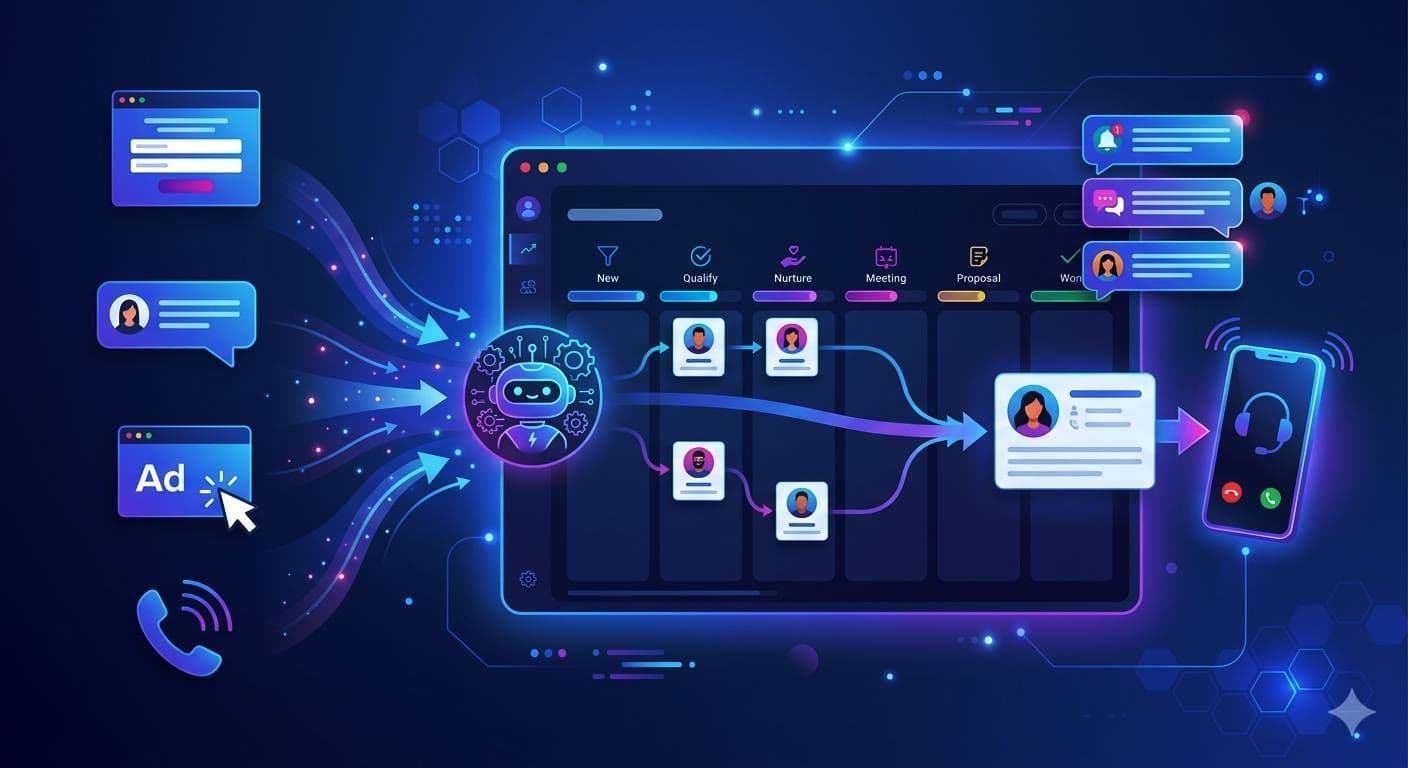
A prospect fills out your demo request form.
They’ve spent ten minutes exploring your website. They’ve looked at your pricing page, scanned a few case studies, and finally decided to reach out.
At that moment, they’re interested enough to talk.
But by the time your sales team follows up, something has changed.
The lead doesn’t respond.
Your email goes unanswered.
Your call goes to voicemail.
Eventually the opportunity gets marked as “unresponsive” or “lost.”
This situation is incredibly common.
Sales teams often assume the lead simply wasn’t serious. Marketing teams sometimes assume the lead quality was poor.
But in many cases, neither assumption is correct.
The truth is much simpler:
Inbound leads go cold because the sales process is slower than the buyer’s intent window.
Understanding why leads go cold is one of the most important steps toward fixing inbound conversion problems.
What “Cold Leads” Actually Mean
When people say a lead “went cold,” they usually mean one of three things:
- The prospect stopped responding to outreach
- They never scheduled the demo they originally requested
- They lost interest before the sales conversation happened
These are different outcomes, but they usually share the same root cause:
The company failed to engage the lead while their interest was still high.
Inbound leads are not static opportunities. They exist within a short window of intent.
If that window closes before meaningful engagement happens, the lead appears to “go cold.”
Why Inbound Leads Go Cold
There are several consistent reasons inbound leads lose momentum.
Understanding these causes makes it easier to design systems that prevent it.
1. Slow Lead Response Time
The biggest reason inbound leads go cold is simple:
Businesses respond too slowly.
When someone fills out a form or requests a demo, they are in an active research phase.
They are comparing options.
They may even submit multiple forms within a short time frame.
If your team responds hours later—or worse, the next day—you’re competing against companies that reached the lead while they were still engaged.
Research consistently shows that contacting a lead within five minutes dramatically increases the likelihood of connecting with them.
This concept is often referred to as the 5-minute lead response rule, which we explore in detail in our pillar guide on lead response time.
The longer the delay, the lower the chance of meaningful engagement.
2. Buyers Contact Multiple Vendors
Most prospects don’t evaluate just one solution.
They usually reach out to several companies at once.
Imagine a buyer researching a CRM platform.
They might submit demo requests to:
- Company A
- Company B
- Company C
The first vendor to respond often controls the conversation.
They:
- frame the problem
- shape the evaluation criteria
- build rapport early
By the time slower competitors respond, the buyer may already be leaning toward another solution.
3. Loss of Context and Urgency
Inbound leads often represent a moment of urgency.
The buyer might be:
- solving an operational problem
- responding to internal pressure
- researching before a budget decision
But that urgency fades quickly.
If the follow-up comes hours later, the prospect may:
- be in a meeting
- dealing with other priorities
- focused on something else entirely
The original motivation that drove them to submit the form is no longer top of mind.
4. Poor Lead Follow-Up Processes
Even when companies respond quickly the first time, many fail at consistent follow-up.
Sales teams sometimes make one or two attempts and then move on.
But studies of sales outreach consistently show that most successful connections happen after multiple attempts.
Without a structured follow-up system, many inbound leads simply slip through the cracks.
5. Over-Reliance on Email
Email is one of the slowest channels for initial engagement.
Prospects may:
- miss the email
- see it hours later
- ignore it entirely
If your first touchpoint is an email that says “let me know when you’re free,” the lead may never respond.
Combining channels—such as calls, SMS, and calendar links—often improves engagement dramatically.
Signs Your Inbound Leads Are Going Cold
Many companies don’t realize their leads are going cold until conversion rates drop.
Here are some common warning signs:
- Demo requests rarely turn into meetings
- Sales reps report that prospects “never respond”
- Leads often require multiple follow-ups before engagement
- Marketing generates strong lead volume but pipeline growth is weak
These symptoms usually indicate that the problem is process-related, not marketing-related.
The Cost of Lost Inbound Leads
When inbound leads go cold, companies often underestimate the real impact.
The cost isn’t just a single missed opportunity.
It also affects:
- marketing ROI
- customer acquisition cost
- pipeline growth
- sales productivity
For example, imagine a company generating 100 inbound leads per month.
If slow response times cause half of those leads to disengage, the company effectively wastes 50% of its marketing investment.
Improving lead engagement can sometimes generate more revenue than increasing lead volume.
How to Prevent Inbound Leads From Going Cold
Preventing cold leads requires improving both speed and consistency.
Here are the most effective approaches.
1. Respond to Leads Immediately
The fastest way to prevent cold leads is to respond quickly.
This means contacting inbound leads within minutes—not hours.
Fast responses:
- maintain the buyer’s momentum
- increase contact rates
- create early conversations
2. Use Multi-Channel Follow-Up
If a lead doesn’t respond to the first message, follow-up should continue across multiple channels.
This might include:
- phone calls
- SMS messages
- follow-up emails
- calendar booking links
Combining channels significantly increases the chances of engagement.
3. Automate Lead Routing
Leads should automatically reach the correct salesperson as soon as they enter the system.
Automated routing eliminates delays caused by manual assignment.
4. Implement Structured Follow-Up Sequences
Successful sales teams follow a clear follow-up structure.
Instead of random outreach attempts, they use defined sequences over several days.
This ensures no lead is forgotten or abandoned prematurely.
5. Use Automation and AI for Instant Engagement
Many modern sales teams are implementing automation to ensure inbound leads are contacted instantly.
AI-powered systems can:
- call leads seconds after they submit a form
- ask qualifying questions
- route prospects to the right team
- schedule meetings automatically
This eliminates delays caused by human availability and ensures every lead receives immediate engagement.
The Future of Inbound Lead Management
Buyer expectations are changing.
People now expect fast responses from businesses.
The same way customers expect instant replies from messaging apps, they increasingly expect immediate engagement when they submit a form or request information.
Companies that rely entirely on manual processes struggle to meet these expectations.
Those that implement faster, automated lead response systems often see significant improvements in conversion rates.
Final Thoughts
Inbound leads rarely go cold for mysterious reasons.
In most cases, the explanation is straightforward:
- response times are too slow
- follow-up processes are inconsistent
- engagement happens after the buyer’s intent window closes
The companies that win inbound opportunities are usually the ones that engage prospects while their interest is still high.
If your business is investing heavily in generating inbound leads, improving how quickly and consistently you respond may unlock more revenue than simply generating more traffic.
FAQ
Why do inbound leads go cold?
Inbound leads usually go cold because companies respond too slowly or fail to follow up consistently. When engagement is delayed, the buyer’s interest fades or competitors respond first.
How quickly should sales teams respond to inbound leads?
Best-performing sales teams aim to contact inbound leads within five minutes or less. Faster responses dramatically increase contact and qualification rates.
Why do demo requests fail to convert?
Demo requests often fail because the follow-up process is slow or inconsistent. Prospects may lose interest or speak with competitors before the sales team reaches them.
Next step
Need a better follow-up system?
FusionSync keeps inbound leads moving with instant first response, qualification, and automated follow-up when the lead does not answer right away.
Where it works
View all use cases